Learn › Become a NY Home Inspector › Week 10
Week 10 · Module 3: Heating, cooling, plumbing & fireplacesSpecialtySewer lines from house to street, and the sewer scope
AI-narrated. A recording by Onelfri is coming soon.
Most buyers never think about the pipe that runs from their basement out under the sidewalk to the street. In New York City they should, because it's theirs. NYC's Department of Environmental Protection is clear that property owners own and are responsible for maintaining and repairing their sewer service line, the pipe that connects the property to the city's sewer main in the street. A standard home inspection doesn't see inside that line. Knowing how the system fits together, what goes wrong, and when to recommend a camera is one of the most useful things you can learn in this track.
How the system fits together
Follow the water. Every fixture in the house drains into branch lines, which feed the vertical stack. At the bottom, the stack turns into the horizontal building drain in the basement. Near the front wall the building drain leaves the house and becomes the sewer lateral (also called the house sewer or sewer service line). It runs under the yard, the sidewalk and often part of the street to the city sewer main.
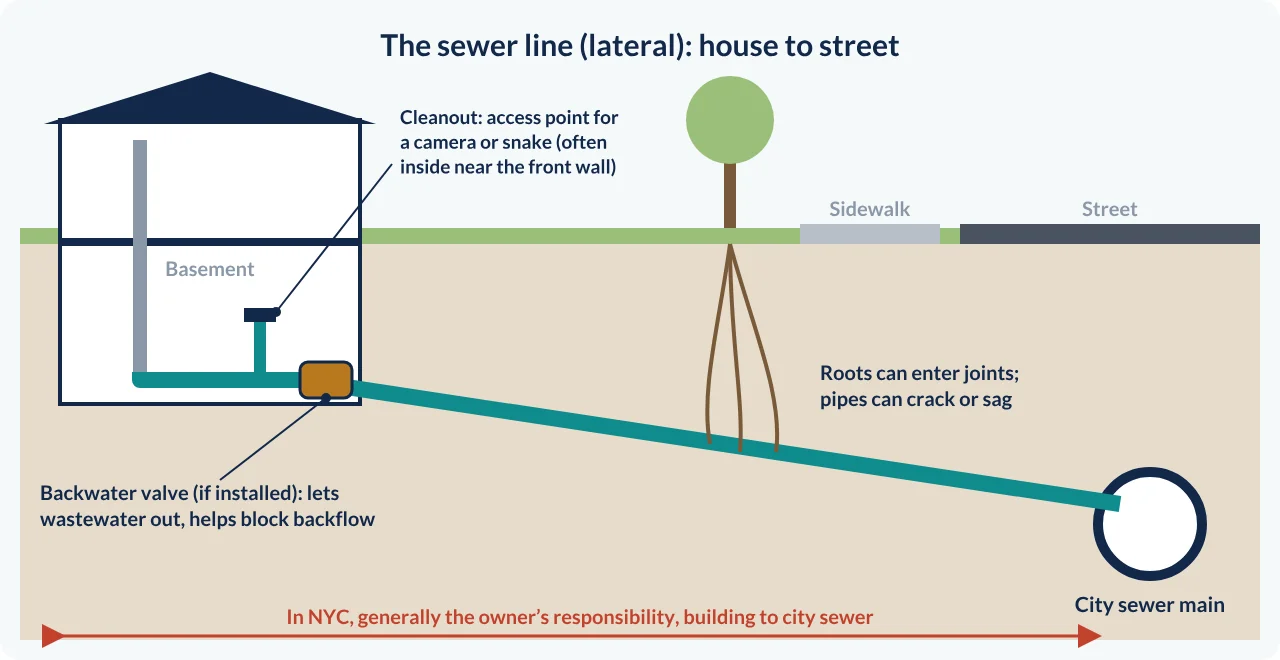
Along the way you may find:
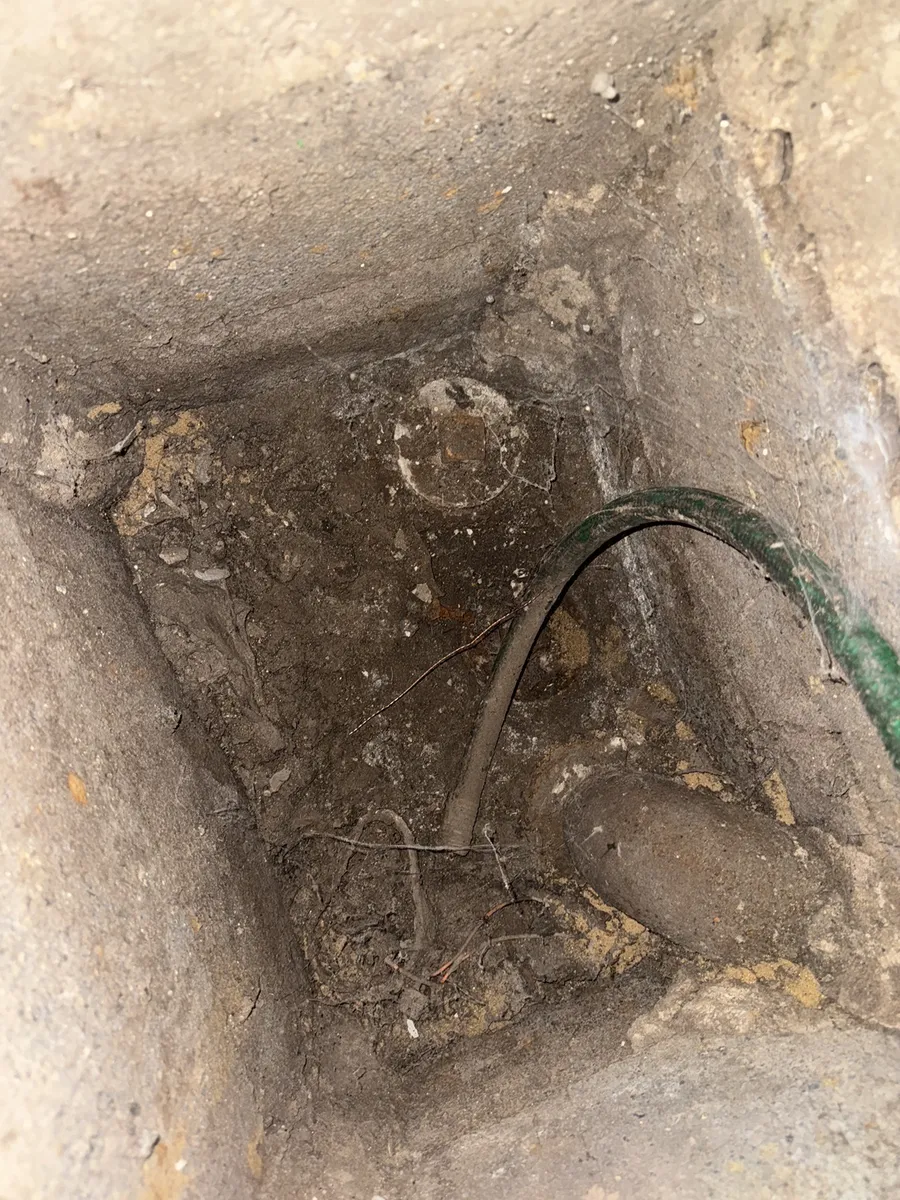
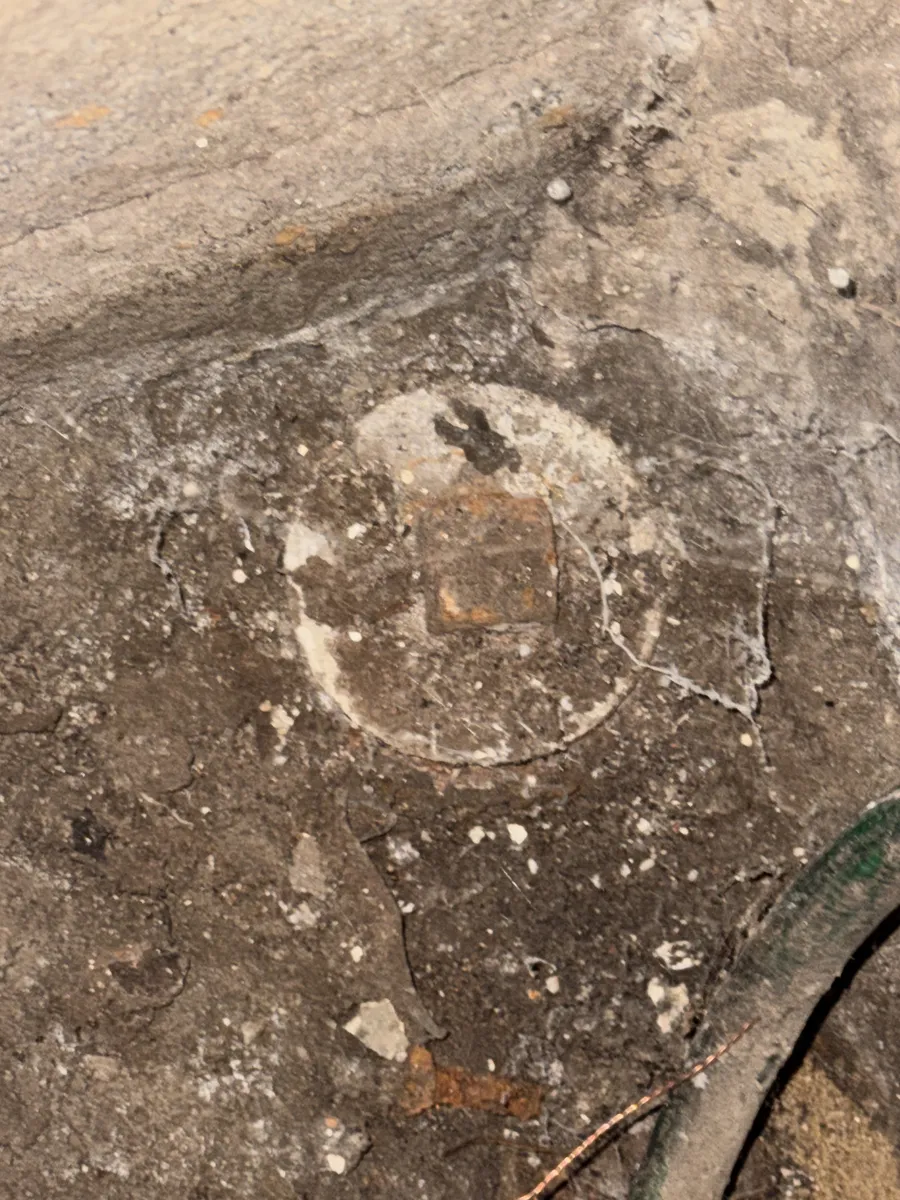
- A cleanout: a capped opening that gives a plumber or a camera access to the line.
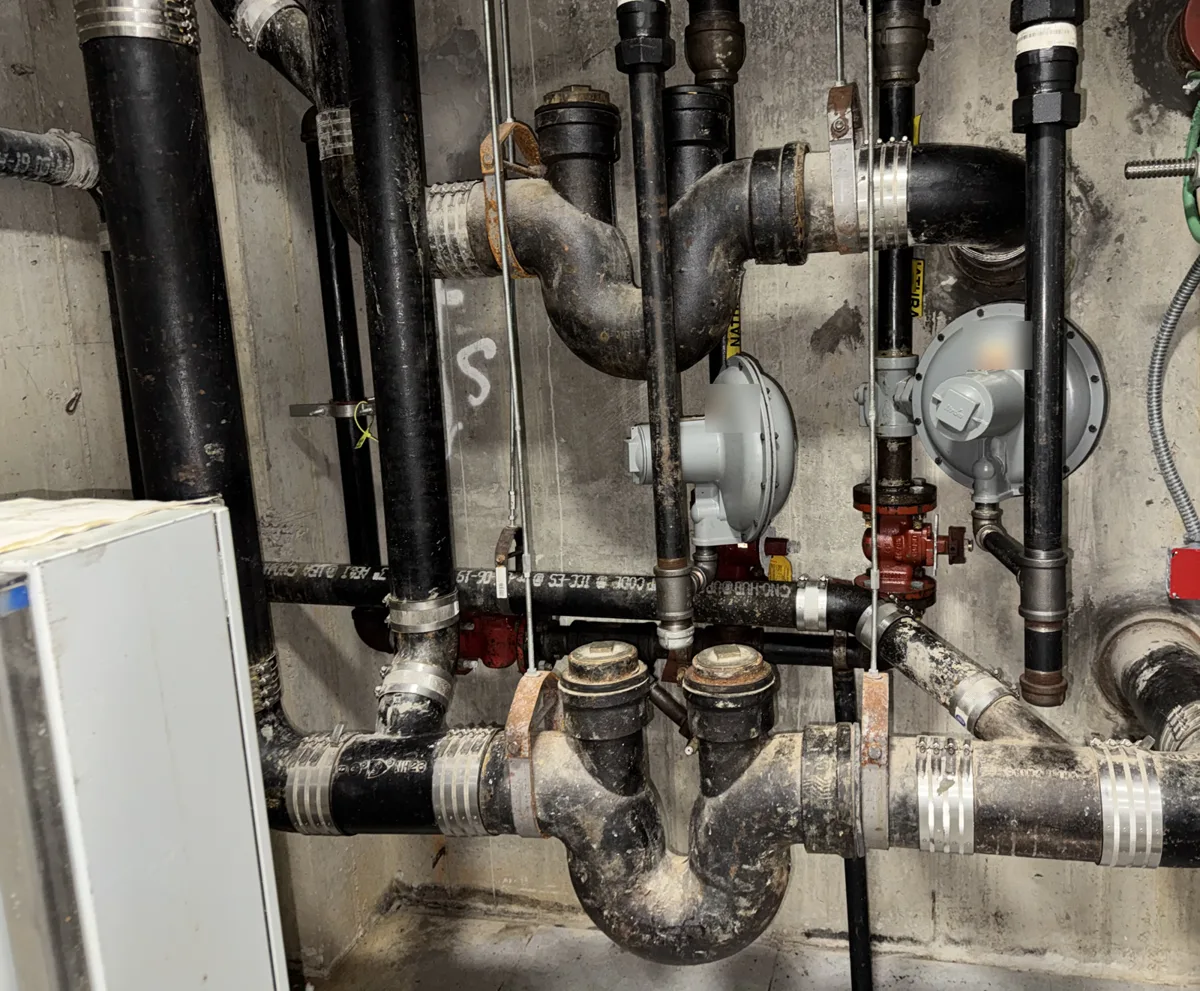
- A house trap: many older NYC homes have one on the building drain, often near the front wall. House traps vary from home to home. One common setup is a U-shaped trap with cleanout plugs on top, sometimes with a fresh-air inlet vent outside.
- A backwater valve, if one was installed: a one-way flap that lets wastewater out and closes when the sewer backs up toward the house.
What goes wrong underground
You'll never see most of a lateral, so learn what the camera usually finds:
- Roots growing into joints. Mature street trees and older jointed pipe are a common combination in NYC neighborhoods.
- Cracks and broken sections, from age, soil movement or heavy loads above.
- Offset joints, where one section has shifted and left a lip that catches waste.
- Sags, also called bellies, low spots where water and solids sit instead of flowing.
- Buildup of grease, scale or debris that narrows the pipe.
- Collapsed sections, which can stop flow completely.
Inside the house, the warning signs are slow drains on several fixtures at once, gurgling, sewer odor, water backing up at the lowest drain (often a basement floor drain or the house trap), and staining around a cleanout. Outside, look for soggy spots or depressions along the line's path toward the street.
What your inspection can and can't do
The standard inspection is visual. You can run water, flush toilets and watch for slow drainage. You can note the material of the visible building drain, the condition of the house trap and cleanouts, staining that shows past backups, and whether you saw a backwater valve. What you can't do is see the buried lateral. A line that drains fine during a 20-minute test can still be cracked, root-filled or sagging.
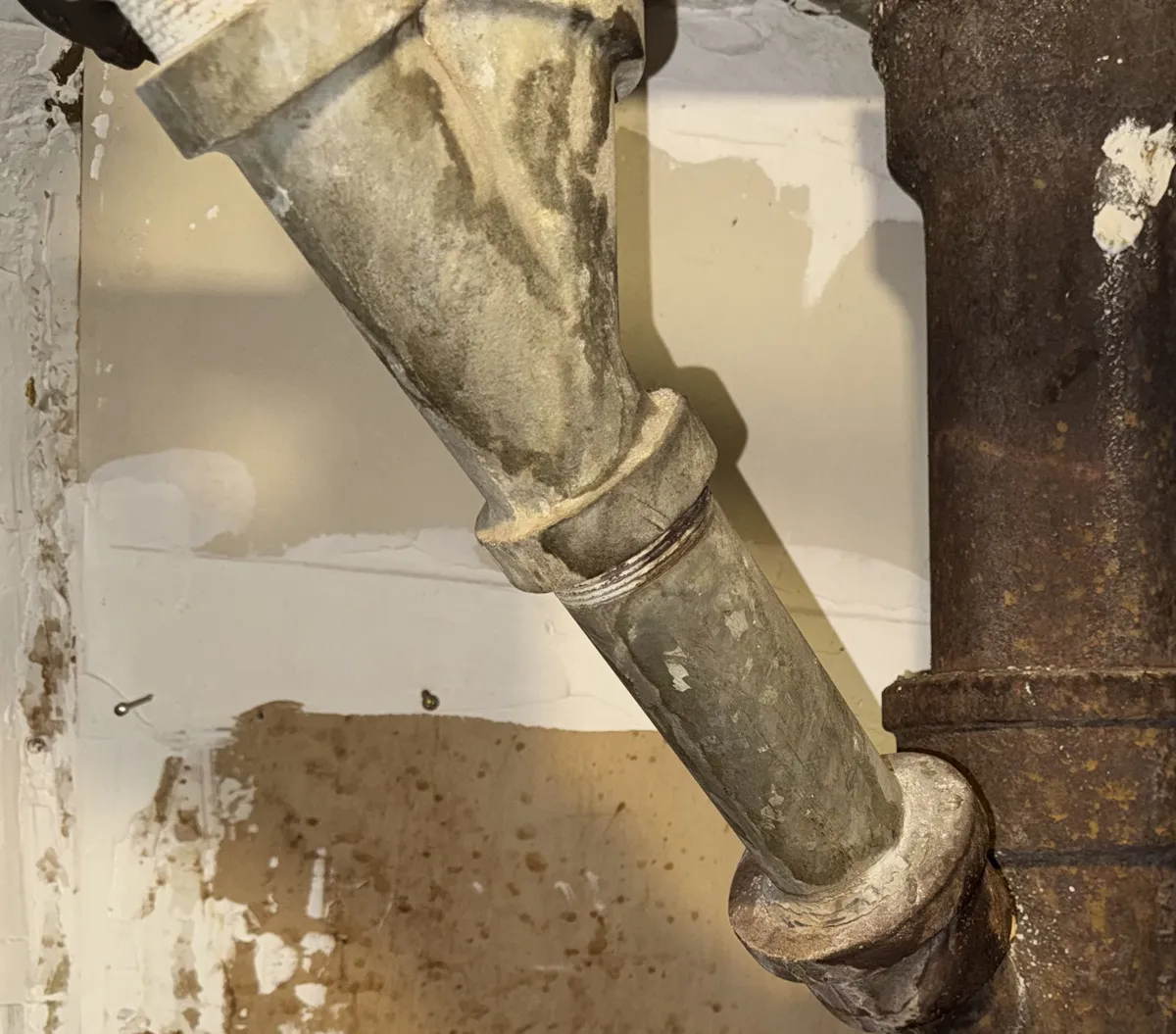
So the right recommendation is often simple: recommend a sewer scope for older homes, homes with mature trees out front, homes with any of the warning signs above, and any home where the buyer would own the line to the main, which in NYC is generally every house.
The sewer scope
A sewer scope is a camera on a flexible push cable fed into the line through an accessible cleanout. The operator records video as the camera travels toward the main and notes where problems are. Many operators can also locate the camera from above ground, which helps mark where a defect sits under the yard or sidewalk.
Know the limits, because your client should too:
- It needs an accessible cleanout. No access, no scope, or a plumber has to open one up.
- Water standing in a sag can hide the bottom of the pipe.
- Heavy roots or debris can stop the camera before it reaches the main.
- It shows condition on that day. It isn't a guarantee.
When the scope finds a problem, the next step is a licensed plumber. In NYC, DEP requires a permit for work on sewer connections, so repairs to the lateral are not a weekend project. That's useful for a buyer's negotiation, and it's something your report can say plainly.
Backwater valves and NYC storms
During heavy rain, the city's sewers can fill up and push wastewater back toward homes, and basements are the first place it shows up. NYC DEP explains that a backwater valve lets wastewater leave the house and closes when sewage flows back toward it. DEP recommends installing it inside the basement where it can be reached for maintenance, and notes that it needs regular inspection and cleaning and that gutter downspouts connected to the sewer should be disconnected.
On an inspection, report whether you saw one, whether it was accessible, and any staining or debris that suggests past backups. Don't promise it works. You can't test it during a normal inspection.
PLAN FOR: The building drain at the front basement wall is older cast iron with a house trap. The buried sewer line from the house to the city sewer can't be seen during a visual inspection, and in NYC the owner is generally responsible for that line. Recommend a sewer scope (camera inspection) by a qualified company before you sign the contract, with any repairs by a licensed plumber.
Describe this defect
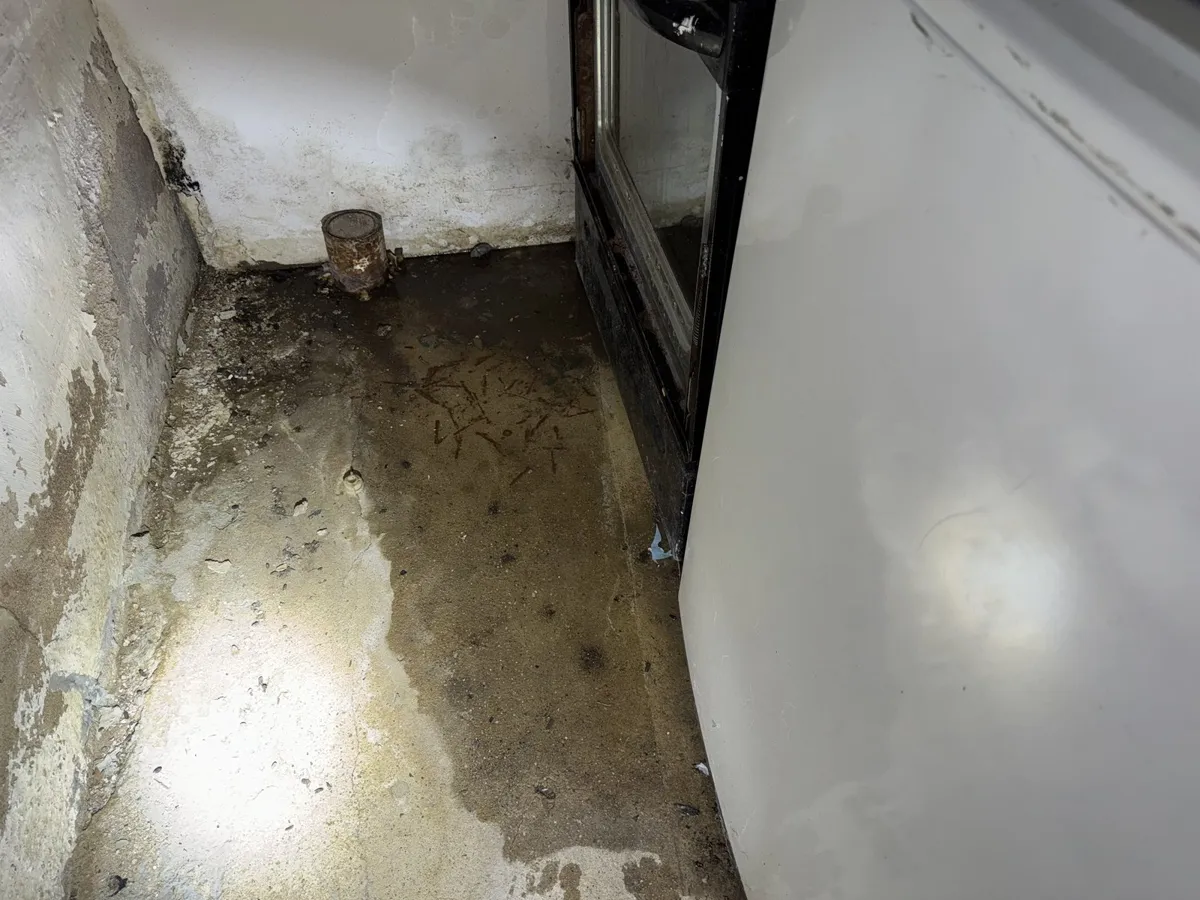
Write it up the way it would go in a report: what it is, where it is, why it matters, and what you'd recommend. It stays in this browser; nothing is sent anywhere.
Model write-up
PLAN FOR. Standing water and dark staining were observed on the floor at this basement corner. About an inch of rain had fallen two days before the inspection. The source could not be determined during the inspection; possible sources include water entering through the foundation or floor after the rain, a plumbing leak, or a backup from the drain or sewer line. Repeated water can damage finishes and stored items and lead to mold. Recommend a licensed plumber find the source, a sewer scope (camera inspection) of the line to the street, and a check of the exterior drainage near this corner, before you sign the contract.
Self-check: did your write-up…
Check yourself: 5 questions
Pick an answer to see instantly whether it's right. Your answers are saved in this browser.
Key takeaways
- The lateral runs from the building drain to the city sewer main. In NYC the owner is generally responsible for it.
- Roots, cracks, offset joints, sags and buildup are what the camera usually finds.
- A standard inspection can't see the buried line. Recommend a sewer scope for older homes, mature street trees or any warning signs.
- Report backwater valves as seen or not seen. You can't test them on a normal inspection.
Finished the lesson? Mark it complete to save your progress in this browser.