Learn › Buying a Home in the NYC Area › Week 3
Week 3 · Booking the inspectionSpecialtyWhat your inspection covers and which specialty tests to add
AI-narrated. A recording by Onelfri is coming soon.
In New York, your inspection usually happens in the short window after your offer is accepted and before you sign the contract. That's not much time, so it pays to know ahead of time what a standard inspection covers, what it doesn't, and which extra tests are worth booking for the same visit.
Termites: what damage really looks like
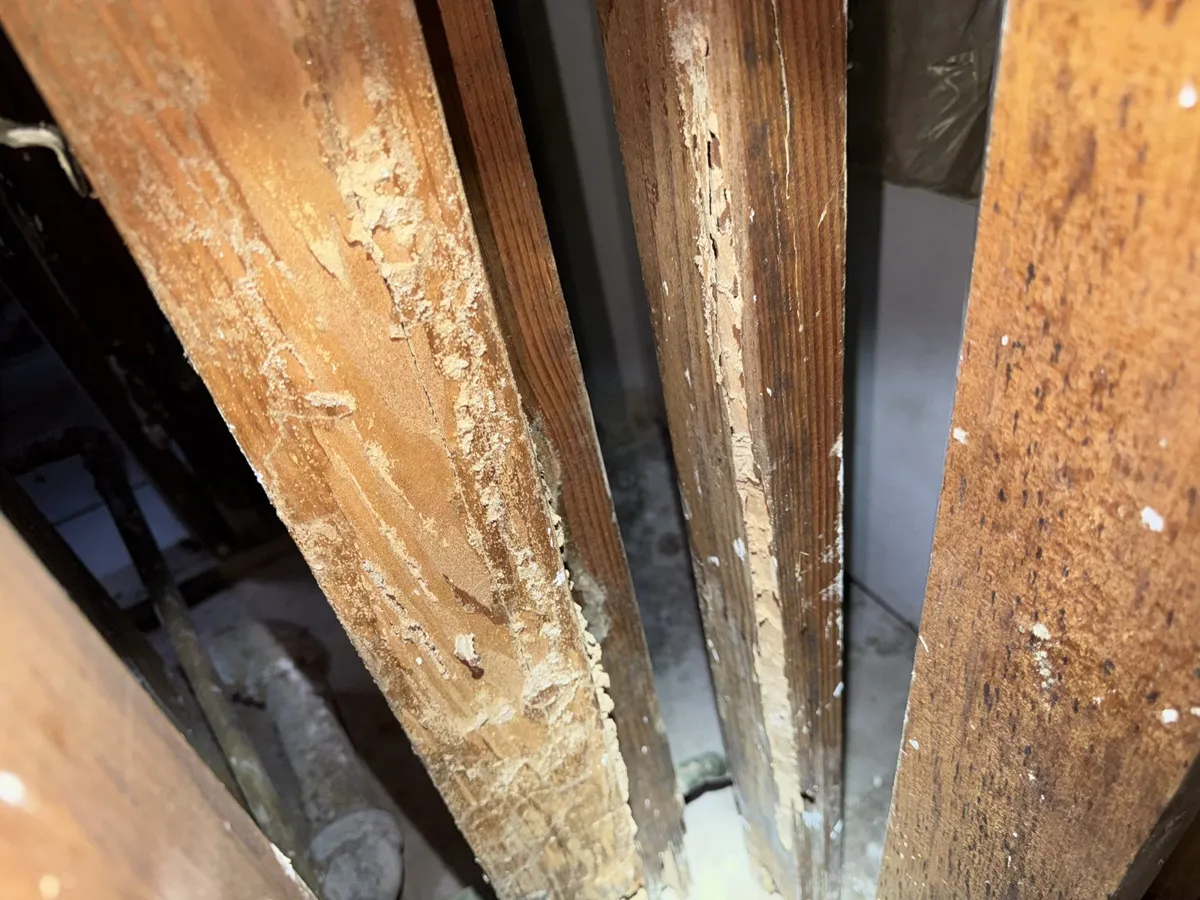
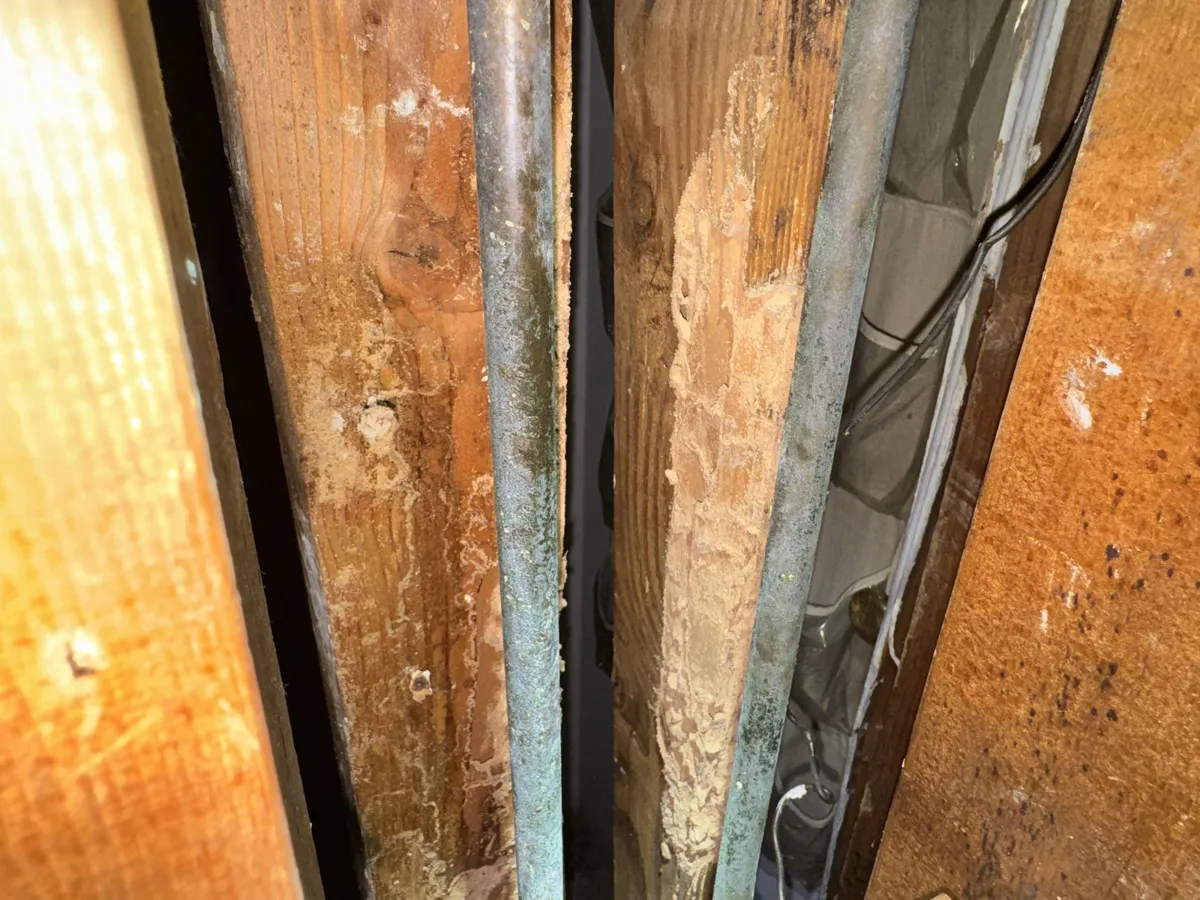
Look for pencil-width mud tubes on foundation walls, wood that sounds hollow, and damage near damp areas. A WDI inspection is a visual check of accessible wood, so hidden damage can still exist. If activity or damage is found, a licensed pest control company treats it and a contractor evaluates the wood.
Radon
Radon is an invisible, odorless gas that comes from the ground. You can't tell from looking whether a house has a problem, which is why the EPA recommends testing. If a test shows 4 pCi/L or more, the EPA recommends fixing the home, usually with a mitigation system. Levels vary from county to county and house to house, so a neighbor's result doesn't tell you yours.
Mold
Sewer scope
Book them together
Because the window before contract signing is short, book the inspection and the tests you want at the same time. Radon needs at least two days, and lab results for mold take a few more. Ask your inspector which tests they can do in the same visit.
Want the whole timeline in one place? Download the free NYC-Area Home Buyer's Inspection Guide, or book an inspection and add specialty testing to the same visit. Questions? Call (914) 933-7803. Se habla español.
Termites: what damage really looks like
Look for pencil-width mud tubes on foundation walls, wood that sounds hollow, and damage near damp areas. A WDI inspection is a visual check of accessible wood, so hidden damage can still exist. If activity or damage is found, a licensed pest control company treats it and a contractor evaluates the wood.
Radon
Radon is an invisible, odorless gas that comes from the ground. You can't tell from looking whether a house has a problem, which is why the EPA recommends testing. If a test shows 4 pCi/L or more, the EPA recommends fixing the home, usually with a mitigation system. Levels vary from county to county and house to house, so a neighbor's result doesn't tell you yours.
Mold
Sewer scope
Describe this defect
Write it up the way it would go in a report: what it is, where it is, why it matters, and what you'd recommend. It stays in this browser; nothing is sent anywhere.
Model write-up
URGENT. Wood-destroying insect damage consistent with subterranean termites was observed at the wall studs in the unfinished basement wall beside the boiler room: wood hollowed into galleries with mud packed along the grain. Damage may extend into areas that are hidden from view, and termites can weaken framing that carries loads. It could not be determined whether the infestation is active. Recommend a licensed pest control company inspect and treat, and a qualified contractor evaluate and repair the damaged framing.
Self-check: did your write-up…
Check yourself: 5 questions
Pick an answer to see instantly whether it's right. Your answers are saved in this browser.
Key takeaways
- A standard inspection is visual and covers the major systems you can reach and see.
- It doesn't see inside walls or the buried sewer line, and it doesn't test for radon, mold or lead.
- Add tests based on the house: termite for wood framing, radon for every home, sewer scope for older lines, a tank sweep for oil heat, lead paint for pre-1978 homes.
- In NY the window before contract is short, so book everything together.
This lesson is general education, not legal or financial advice.
Finished the lesson? Mark it complete to save your progress in this browser.